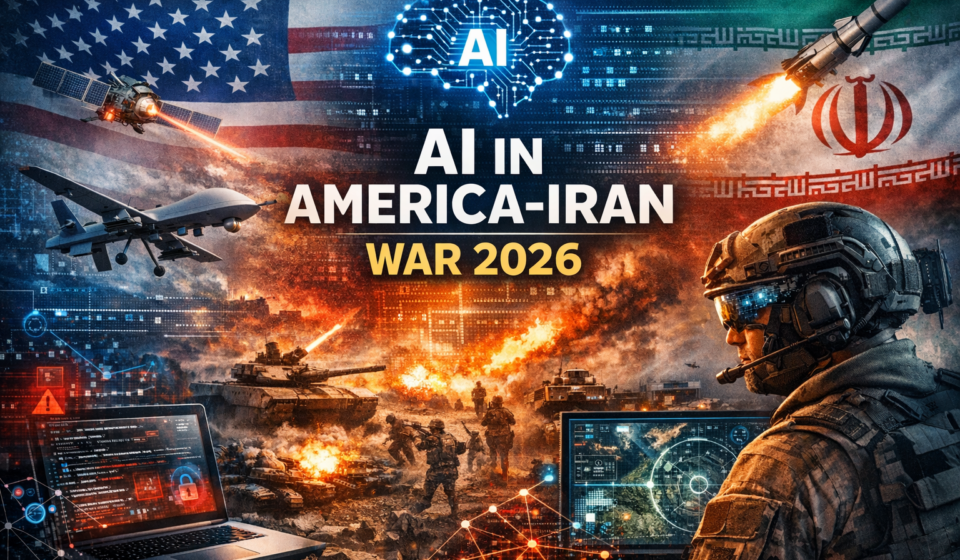
AI in America–Iran War 2026: Technology, Costs & Impact
Introduction
The America–Iran conflict in 2026 has entered a new era where artificial intelligence (AI) is no longer just a support tool—it is a decisive force. From battlefield intelligence to cyber warfare and digital propaganda, AI is actively shaping strategies, outcomes, and global perceptions.
Unlike traditional wars, this conflict demonstrates how AI in modern warfare is transforming decision-making speed, accuracy, and scale. Governments are investing billions into AI-driven systems, making this war not only a geopolitical clash but also a technological arms race.
AI in Battlefield Decision-Making
One of the most critical uses of AI in the 2026 conflict is real-time battlefield analysis. AI systems process massive volumes of data from satellites, drones, and sensors to assist commanders in making rapid decisions.
Key Applications:
- Predictive analytics for troop movement and enemy strategies
- Autonomous drones for surveillance and targeted strikes
- AI-assisted targeting systems to improve precision
Impact:
- Reduced human error in high-pressure environments
- Faster decision cycles (minutes instead of hours)
- Increased operational efficiency
Reports indicate that AI-assisted targeting has improved strike accuracy by 30–40%, significantly reducing collateral damage compared to earlier conflicts.
AI-Powered Cyber Warfare
The digital battlefield is just as important as the physical one. The AI Iran US war 2026 has seen a surge in sophisticated cyberattacks powered by machine learning algorithms.
Cyber Warfare Capabilities:
- Automated vulnerability detection in enemy systems
- AI-driven phishing and social engineering attacks
- Real-time network defense systems
Notable Trends:
- AI systems can now launch adaptive cyberattacks that evolve based on defense responses
- Governments are using AI to detect threats within milliseconds
Data Insight:
- Cybersecurity reports in early 2026 suggest a 60% increase in AI-driven cyberattacks compared to 2024
- Defense spending on AI cybersecurity has crossed $25 billion globally
AI in Intelligence and Surveillance
AI has revolutionized intelligence gathering, making surveillance more accurate and scalable than ever before.
Technologies Used:
- AI-powered satellite image analysis
- Facial recognition systems
- Signal intelligence (SIGINT) processing
Advantages:
- Ability to analyze millions of data points instantly
- Identification of hidden patterns and threats
- Continuous monitoring without human fatigue
Example Use Cases:
- Detecting military base expansions
- Tracking troop movements in remote regions
- Monitoring communication networks
AI surveillance systems are estimated to reduce intelligence analysis time by up to 70%, giving a major strategic advantage.
AI-Generated Misinformation and Propaganda
A defining feature of this conflict is the use of AI in information warfare. Both sides are leveraging AI tools to influence public opinion and global narratives.
Methods Used:
- Deepfake videos of political leaders
- AI-generated news articles and social media posts
- Automated bot networks
Effects:
- Increased confusion and misinformation among civilians
- Difficulty in verifying authentic information
- Amplification of psychological warfare
Critical Insight:
Studies show that AI-generated misinformation spreads 6x faster than traditional content, making it a powerful weapon in shaping perceptions.
Economic Impact and Cost of AI in Warfare
AI warfare is not cheap. The cost of developing, deploying, and maintaining AI systems is enormous, but governments see it as a necessary investment.
Estimated Costs:
- AI-powered drones: $5–15 million per unit
- Military AI software systems: $500 million–$2 billion per program
- Annual AI defense budgets:
- United States: over $20 billion
- Iran (estimated): $1–3 billion
Cost Breakdown:
- Research & development
- Data infrastructure
- Hardware (chips, sensors, satellites)
- Skilled workforce (AI engineers and analysts)
Economic Consequences:
- Increased defense spending pressures national budgets
- Growth in private AI defense contractors
- Acceleration of global AI arms race
AI Products and Services in Use
The war has driven rapid innovation in AI products and services, especially in defense and intelligence sectors.
Key AI Technologies:
- Autonomous drones and UAV systems
- AI-based command and control platforms
- Predictive analytics software for military operations
- Cybersecurity AI platforms
AI Service Providers:
- Defense contractors offering AI-driven analytics
- Cloud computing services for military data processing
- AI-as-a-Service (AIaaS) platforms for intelligence operations
Trends:
- Increasing collaboration between governments and tech companies
- Expansion of AI cloud infrastructure for military use
- Growth in private-sector defense AI innovation
Current Status (2026 Insights)
Recent reports from global news and defense analysis indicate that AI is now deeply embedded in every layer of the conflict.
Current Developments:
- AI-controlled drone swarms are being tested in active combat zones
- Real-time AI translation tools are being used for intercepted communications
- AI-assisted cyber defense systems are preventing large-scale infrastructure attacks
Statistics:
- Over 70% of military operations now involve some form of AI
- AI-related defense contracts have increased by 45% since 2025
- Cyber warfare incidents have doubled due to AI automation
Future of AI in Warfare
The America–Iran conflict highlights a broader trend: AI will define the future of global warfare.
Expected Developments:
- Fully autonomous weapons systems
- AI-driven war simulations and predictive conflict modeling
- Integration of quantum computing with AI for advanced intelligence
Risks:
- Ethical concerns over autonomous killing systems
- Increased likelihood of accidental escalation
- Global instability due to AI arms race
Opportunities:
- More precise and less destructive warfare
- Improved defense systems
- Faster conflict resolution through data-driven strategies
Conclusion
The America–Iran War 2026 marks a turning point in military history, where artificial intelligence military use has moved from experimental to essential. AI is influencing everything—from battlefield tactics and cyber warfare to global perception and economic strategy.
While AI offers significant advantages in efficiency and precision, it also introduces new risks, including misinformation, ethical dilemmas, and escalating technological competition. As nations continue to invest heavily in AI, the future of warfare will increasingly depend on who leads in innovation.
Understanding the role of AI in this conflict is not just about analyzing a war—it’s about recognizing the future of global power itself.